Sumvitg, GR
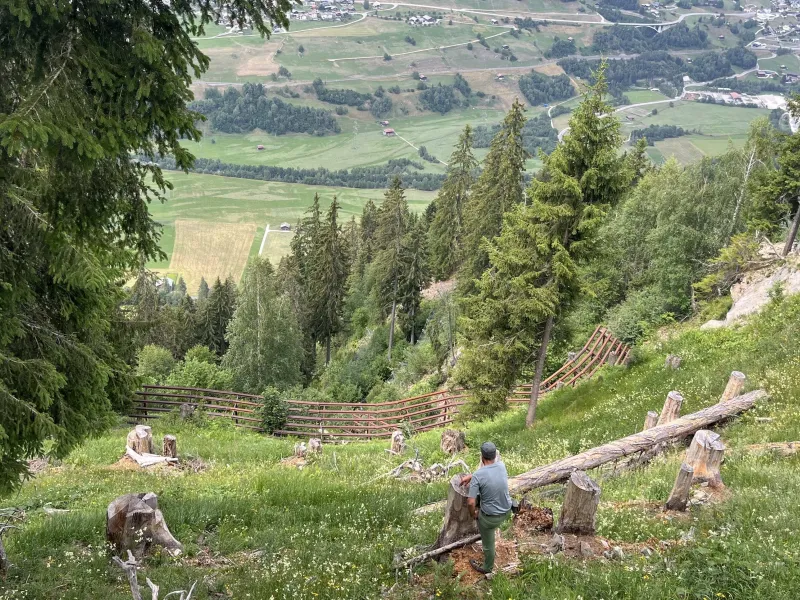
The Puzzastg protective forest shields homes and infrastructure from rockfalls, erosion, and avalanches. It is overmature, and due to wildlife damage, it lacks regeneration. In the Sumvitg project, volunteers are helping to plant climate-resilient tree species in this forest—which is vital to the survival of the local population—as part of the emergency measures that have been implemented.
Forest and cultural landscape
The municipality of Sumvitg is located on the Upper Rhine. Romansh is spoken here. Sumvitg is known beyond the country’s borders for the Greina Plateau, a natural gem of rare beauty.
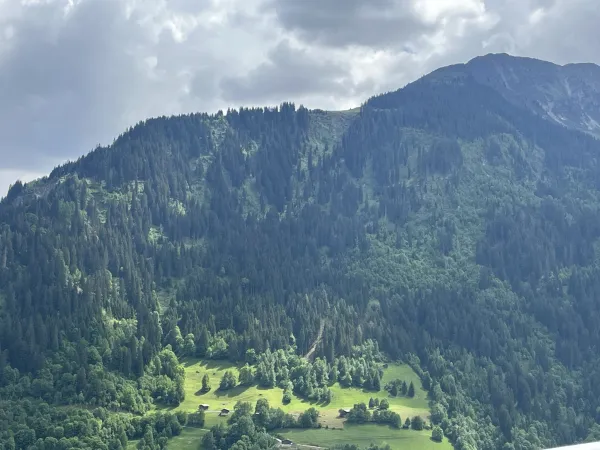
In the valley floor and at lower elevations, there are extensive floodplain forests and deciduous woodlands. The municipal territory extends up both sides of the valley into the high mountains to over 3,000 meters. Above the villages, the forest consists mainly of spruce and pine, supplemented by remnants of silver fir and Swiss stone pine. The entire forest covering the valley flanks provides a high degree of protection against natural hazards. Heavily utilized in past centuries, it still bears the marks of the harsh mountain economy. Storms and bark beetles require constant maintenance of the protective forest.
The municipality of Sumvitg consists of four villages, including Surrein, and several hamlets. The forest above Surrein has large gaps and can no longer provide sufficient protection.
Idea and goals
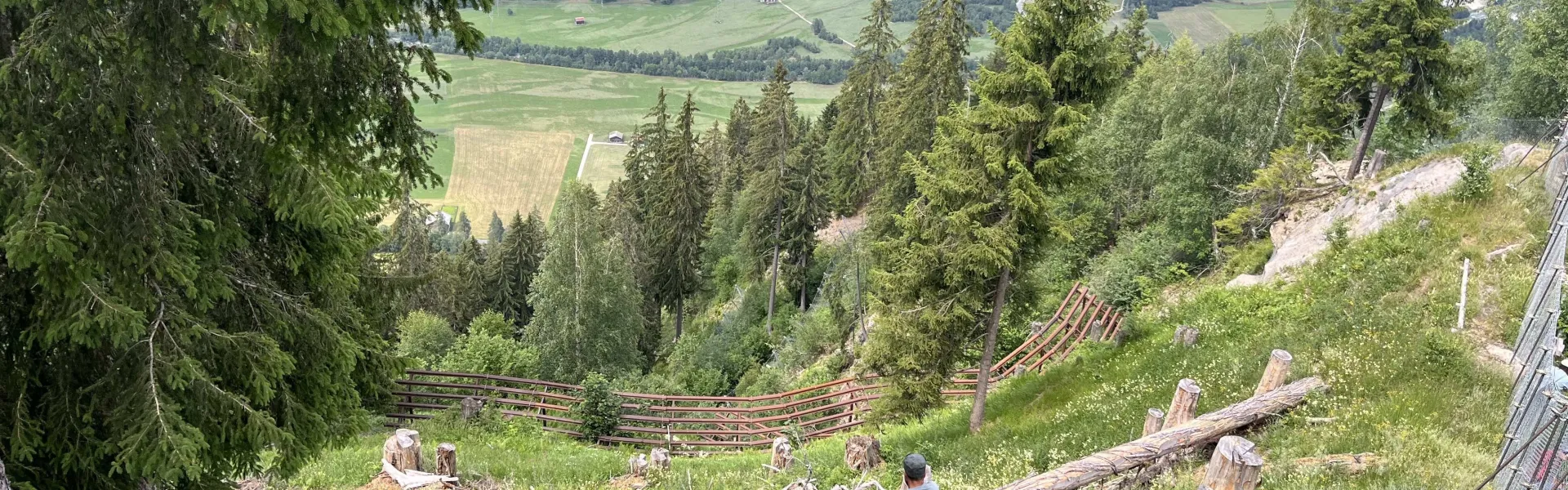
For some time now, the Puzzastg protective forest above the village of Surrein—part of Sumvitg—has been a concern for forestry experts, residents, and policymakers. It has large gaps where erosion is taking hold and avalanches threaten to break loose. Avalanche and rockfall barriers have already had to be erected. Throughout the area, the many deer, chamois, and roe deer are grazing on the young trees. For the approximately 250 people living in Surrein, as well as the road and the farms, long-term safety from natural hazards is to be ensured once again by a stable, climate-resilient forest.
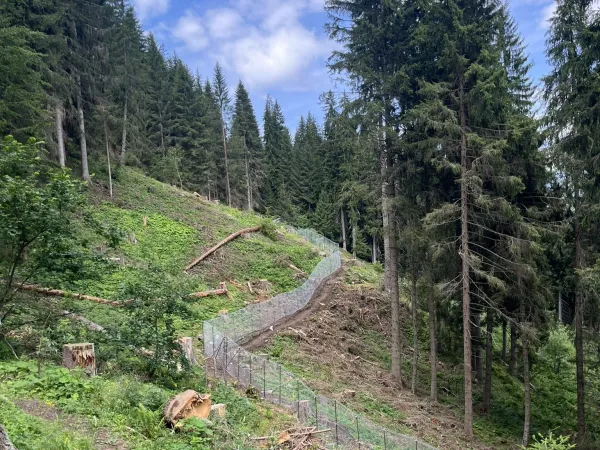
To ensure that the forest on the steep terrain of Puzzastg can regenerate and be fully stocked with trees, a 2.6-kilometer-long wildlife fence was erected in the summer of 2026 as part of an emergency measure. Inside the fence, 15,000 saplings of 12 different tree species will be planted over a two-year period as a first step. In addition to the main tree species—silver fir, sycamore maple, and spruce—drought-resistant deciduous species such as linden and cherry, as well as pioneer tree species such as service tree and aspen, will be planted. Later, the forest will naturally regenerate on its own.
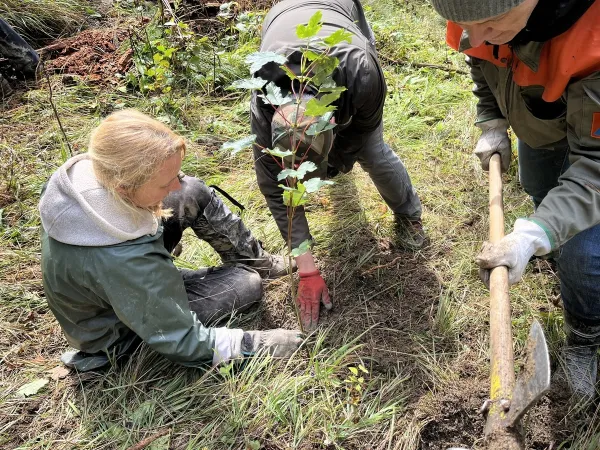
Volunteers for the Bergwaldprojekt will assist with the planting and, later, with the care of the young forest. This work must be tackled immediately and is of the utmost urgency.
Project Partnerships: The project is being carried out in collaboration with the local forestry service.
What you can expect
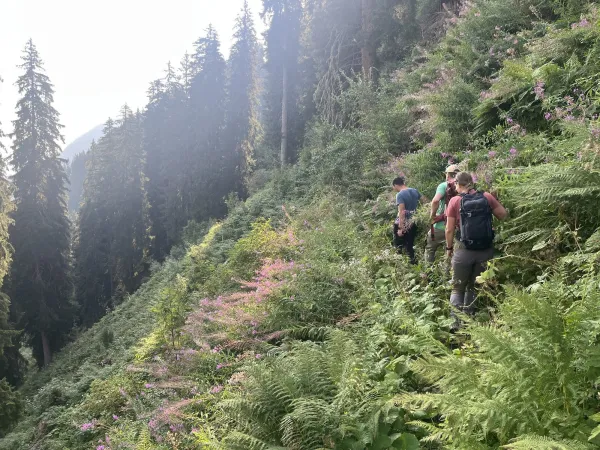
The work will be flexibly adapted to current needs as well as weather and terrain conditions and may vary. The main task is planting trees in the Puzzastg protective forest. In addition, trails will be created and maintained to provide access to the areas.
All work is carried out under the guidance of experienced project and group leaders.
We kick off on Sunday with an introduction to the Bergwaldprojekt and the week’s schedule. Each day starts early: Breakfast is served at 6:30 a.m., followed by work. A highlight is the weekly forestry excursion in the surrounding area. In addition to forestry work, volunteers also take on simple household tasks at the lodging, such as tidying up or doing the dishes.
Organizational matters
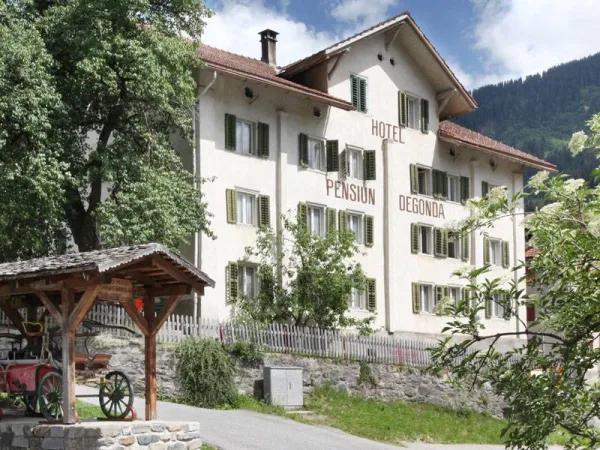
Pensiun Degonda, Cumpadials
- 2-Bedroom Room
- Restrooms and showers
- Running hot water
- Electricity throughout the house
- Camping not allowed
Breakfast & dinner at the lodging, lunch in the forest
- Nutritious
- regional
- seasonal
- organic
- low-meat (vegetarian alternative available)

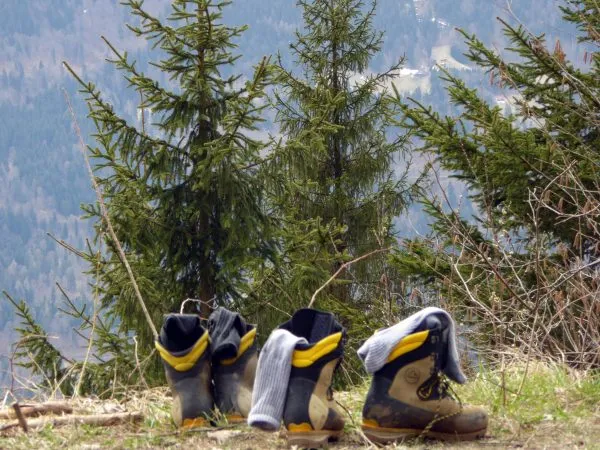
- Sturdy, high-top hiking boots (above the ankle) with treaded soles (two pairs recommended)
- Work clothes, work gloves
- Rain jacket, rain pants (gaiters recommended)
- Warm clothing (we’re in the mountains)
- Slippers
- Headlamp or flashlight
- Sun protection (sunscreen, sunglasses, headwear)
- Daypack, pocket knife, water bottle (thermos recommended)
- Hand/shower towel
- Personal items
- Bedding provided (no sleeping bag required)
- Luggage: You may bring a suitcase or bag
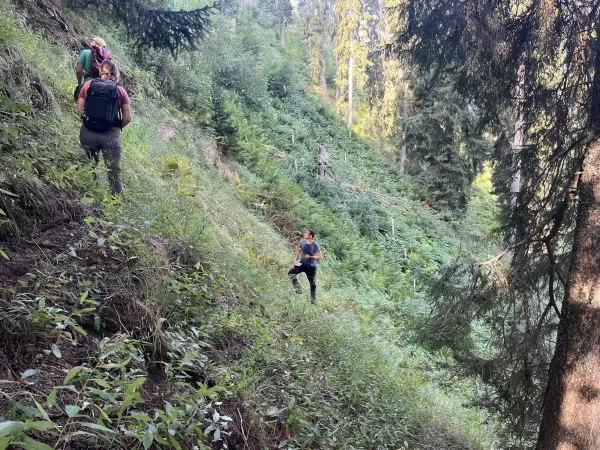
- Good physical condition and sure-footedness. The work may take place on steep terrain.
- Please arrive at the meeting point on time. Late arrival or early departure is not permitted.
- You must follow the instructions of the project staff.
- Participants are responsible for their own insurance.
- Photos will be taken during the project week and may be published in our publications. Please contact the project leadership if you do not consent to this.
For environmental reasons, please use public transportation or carpool to get there—parking is not available.
Meeting point: (Only for those with a confirmed registration!) Sunday, 5:00 p.m., “Sumvitg-Cumpadials” train station.
From the meeting point, we’ll travel directly to the lodging in Bergwaldprojekt vehicles.
Departure: Saturday, 11:00 a.m. from the meeting point.
Registration is binding. If you are unable to attend, please cancel your registration immediately by calling +41 (0)81 650 40 40 or emailing info@bergwaldprojekt.ch.
We are available on the day of arrival in case of emergencies. The relevant phone number will be posted in the project information section of your profile shortly before the project begins.
Insights into the Project
- Follow-up Costs of Game Browsing in Protective Forests: The Puzzastg Case Study, Graubünden Office for Forests and Natural Hazards
- Monetary Assessment of Regeneration Problems Caused by Hoofed Game in Protective Forests: The Puzzastg Case Study, Graubünden Office for Forests and Natural Hazards
- «Bun enfin miserabel», award-winning documentary film featuring the Puzzastg protective forest
- Media report on Grosszaun, Südostschweiz