Val Calanca, Graubünden
In the Calancatal project, volunteers experience how centuries of goat herding have shaped the steep mountain landscapes, both visually and culturally. Amid this impressive, rugged natural setting, they work on alpine pastures and dry sites to preserve biodiversity and the openness of the cultural landscape.
Forest and cultural landscape
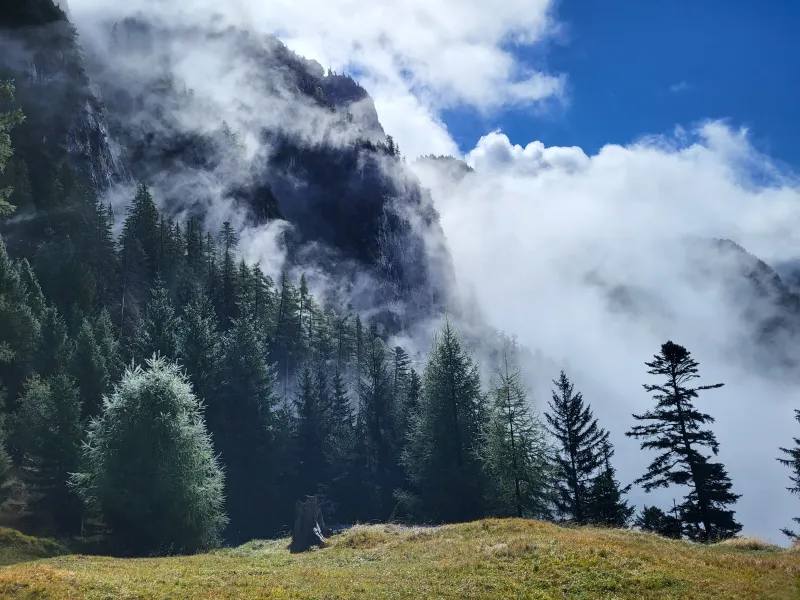
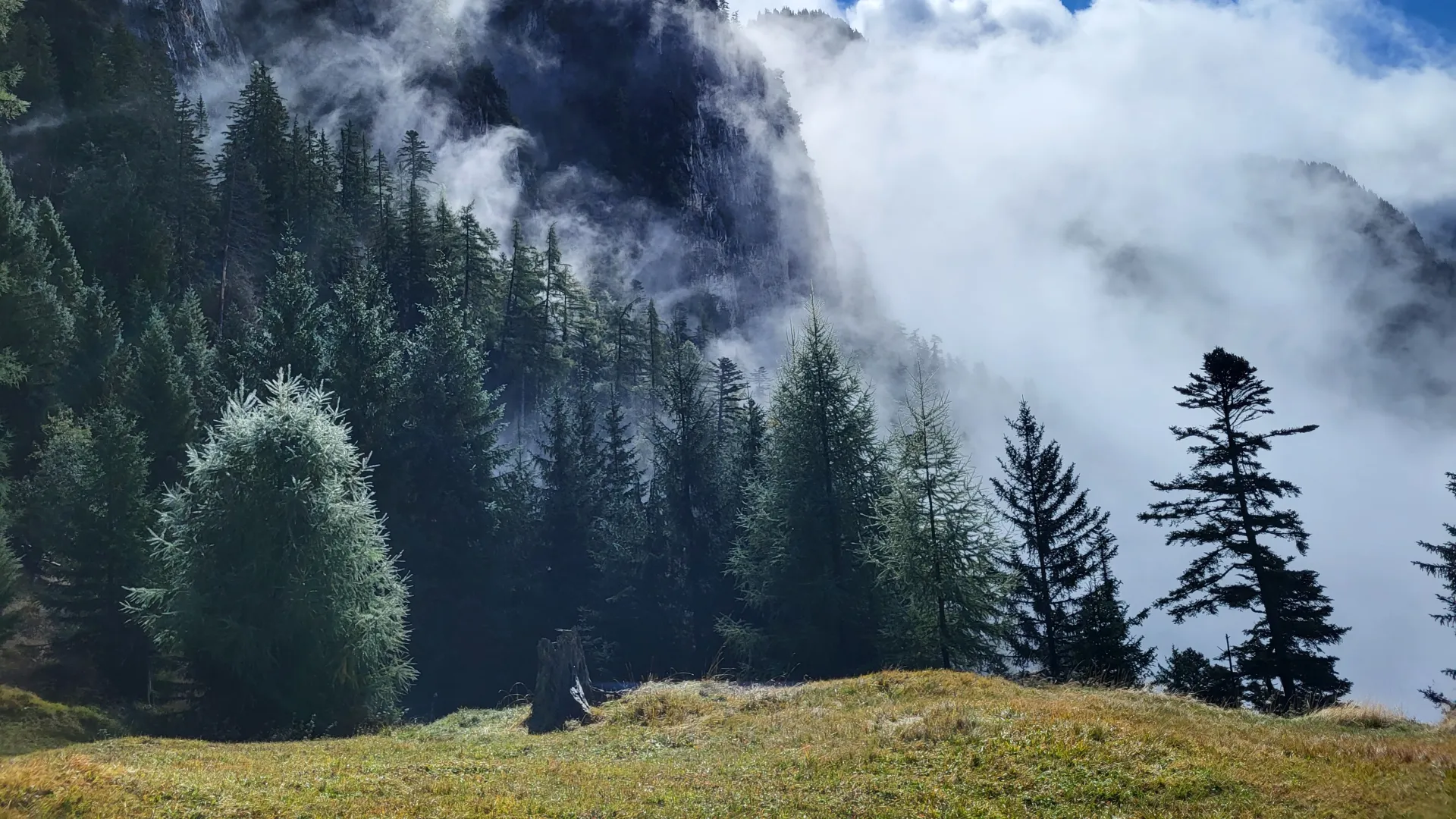
The forest in the steep Calanca Valley serves an important protective function. Rockfalls and debris flows frequently cause the cantonal road to be closed. Open areas stand in stark contrast to the dense protective forests. Small patches of dry meadows and pastures of national importance are found on the valley floor. At the entrance to the valley, beneath the impressive rock faces of Crap Maria, lies a site listed in the cantonal inventory that is home to rare, heat-loving butterflies, insects, and reptiles. Further up, species-rich larch-meadow forests characterize the tree line.
Idea and goals
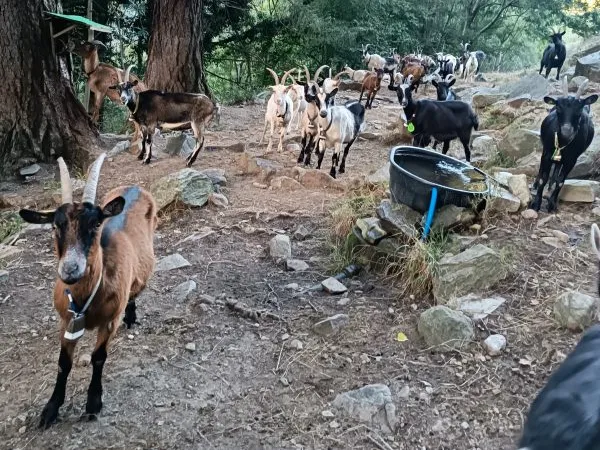
The Mountain Forest Project has been active for many years in the cultural landscape and protective forests of the Calanca Valley. The project focuses on close collaboration with local goat farmers and the assistance of volunteers in grazing goats on species-rich dry habitats and alpine meadows. In spring and fall, work is primarily carried out on the dry sites in the valley floor; in summer, work is concentrated on the higher-altitude alpine meadows.
Project partnerships: In collaboration with Parco Calanca, the Graubünden Office for Nature and the Environment, forestry operations, and local goat farmers, the project contributes to keeping ecologically valuable areas open and promoting biodiversity.
What you can expect
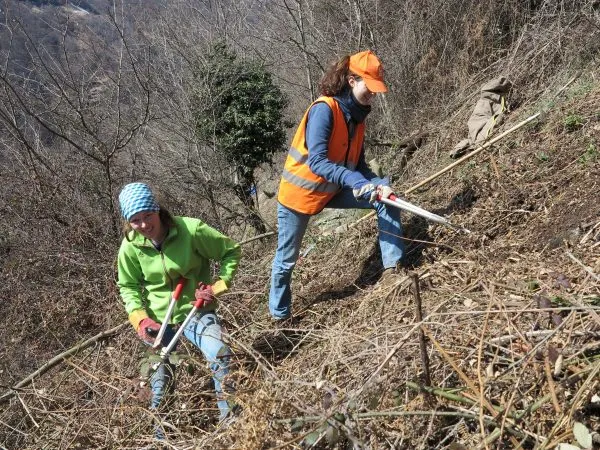
The work is flexibly adapted to current needs as well as weather and terrain conditions and may vary. The focus of the work in the Calancatal project is on maintaining open, species-rich habitats. Dry sites are cleared of brush and maintained, and larch pasture forests are tended. In addition to these habitat management measures, volunteers assist with managing the areas using goats and help set up and take down pasture fences. All work is carried out under the guidance of experienced project and group leaders.
We kick off on Sunday with an introduction to the Mountain Forest Project and the week’s schedule. Days start early: breakfast is at 6:30 a.m., followed by work. A highlight is the weekly forestry excursion in the surrounding area. In addition to forestry work, volunteers also take on simple household tasks at the accommodation, such as tidying up or doing the dishes.
Check out more photos from the project!
Organisatorisches
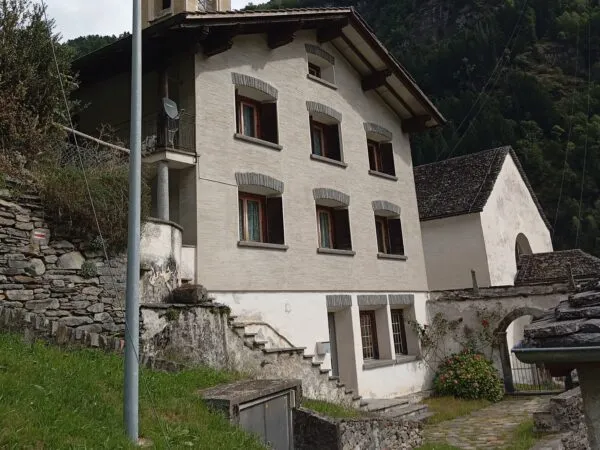
Casa Parocchiale, Arvigo, 900 meters above sea level
- Dormitory
- Shower/toilet
- Running hot water
- Electricity throughout the building
- Camping not permitted
Breakfast and dinner at the accommodation, lunch in the forest
- Whole-food
- regional
- seasonal
- organic
- Low meat content (vegetarian alternative available)

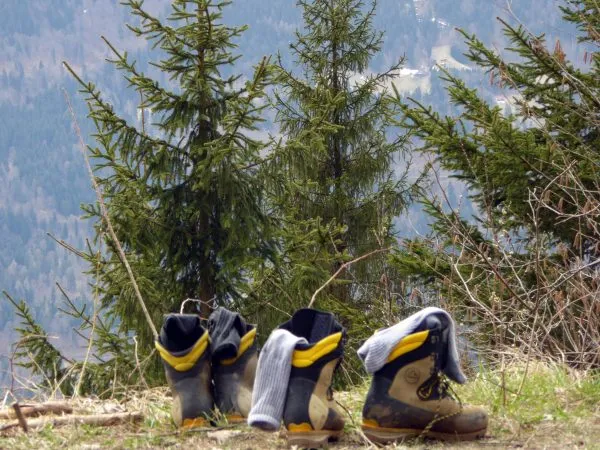
- Sturdy, high-top hiking boots (above the ankle) with a treaded sole (two pairs recommended)
- Work clothes, work gloves
- Rain jacket, rain pants (gaiters recommended)
- Warm clothing (we’ll be in the mountains)
- Slippers
- Headlamp or flashlight
- Sun protection (sunscreen, sunglasses, hat)
- Daypack, pocket knife, water bottle (thermos recommended)
- Hand towel/shower towel
- Personal items
- Sleeping bag, pillowcase, fitted sheet
- Luggage: Travel with a suitcase or bag is possible
- Good physical condition and sure-footedness. The work may take place on steep terrain.
- Please arrive at the meeting point on time. Late arrival or early departure is not permitted.
- Participants must follow the instructions of the project staff.
- Insurance is the responsibility of the participants.
- Photos will be taken during the project week and may be published in our publications. Please contact the project leadership if you do not consent to this.
For environmental reasons, please use public transportation or carpool to get here—parking is not available.
Meeting point: (Only with confirmed registration!)
Sunday, 4:37 p.m., PostBus stop “Arvigo, Al Canton”
The accommodation is located right next to the meeting point.
Departure: Saturday, 11:00 a.m. from the meeting point.
Registration is binding. If you are unable to attend, please cancel your registration immediately by calling +41 (0)81 650 40 40 or emailing info@bergwaldprojekt.ch. We will be available on
the day of arrival in case of emergencies. The relevant phone number will be posted in the project information section of your profile shortly before the project begins.